
DATA CENTRE DISASTERS
sneaking big tech mega-plants into our communities

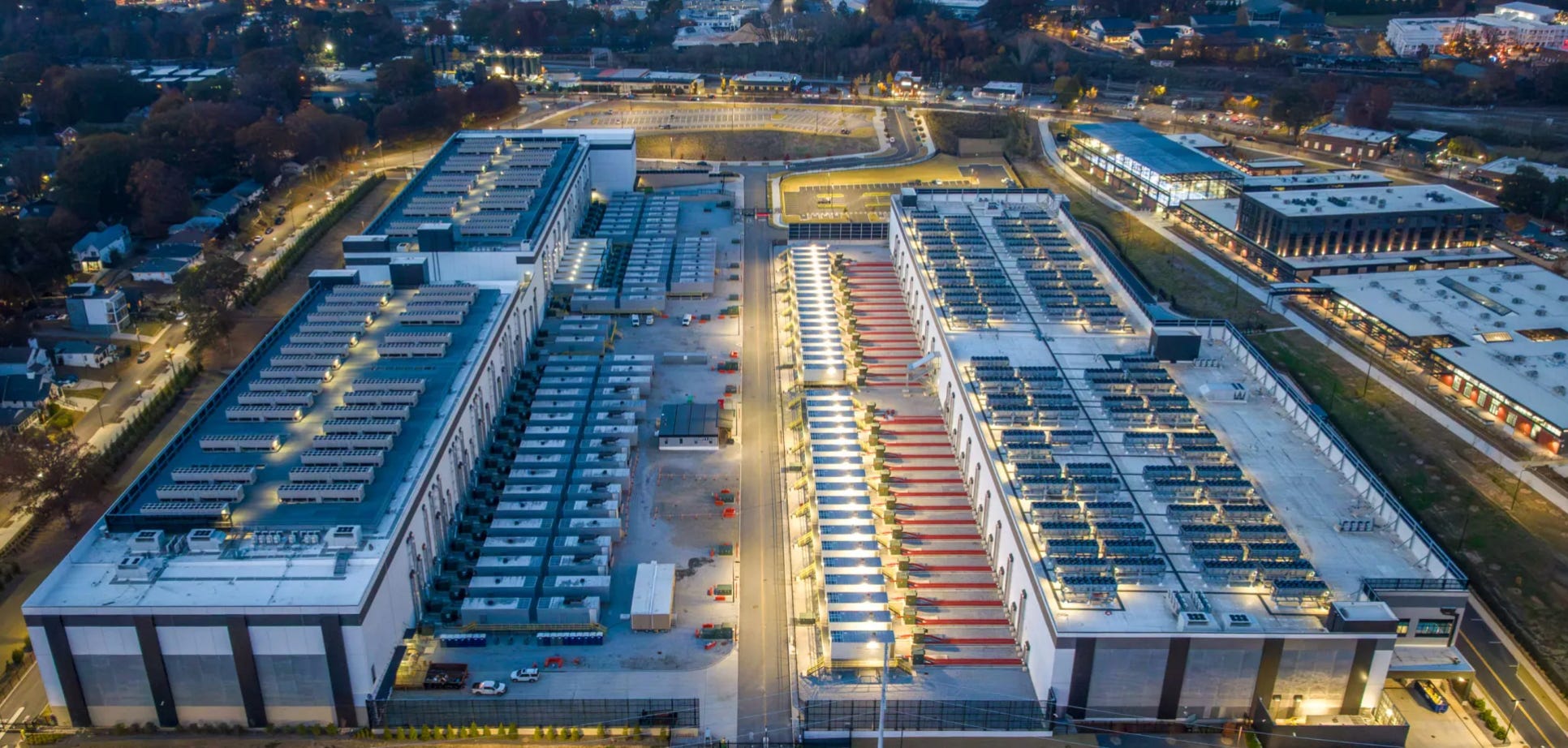
Note: I started this piece three days ago — thinking the data centre issue wasn’t getting enough attention but last night Tucker Carlson did a show — which means data centres will finally be on the agenda for a wider audience. Thank God for Tucker.
There is no bigger story facing us in Canada than the imminent building of more so-called AI data centres. Using the most benign of identifiers, the data centres’ low key rollout is only now, a day late and a dollar short, starting to receive the scrutiny and investigation it should have had years ago. That’s one betrayal. But there is another. Our prime minister will likely profit personally through his Brookfield blind trust/stock portfolio.
Did anyone ask us if the trade off in AI versus the imposition of large scale processing plants, which is what they are, is actually worth it? Of course not.
Understand — we’ve been conned with the soft language of storing things “in the cloud”, a magical place where our digitized family photos can rest until we want to access them. But that is a lie, obviously.
The so-called cloud is actually an industrial monster that is ruining neighbourhoods and gobbling resources like drinking water and power. It is a physical plant — as omnipresent on the landscape as Stelco, but without the blast furnace. At least Stelco was a major jobs creator and fed thousands of steel-workers and their families for decades. Data centres pretty much run themselves on resources taken from you, streaming billions to the tech bros who keep sucking us in with the latest, unnecessary computing breakthrough.
If you’d been given the choice of Grok and Claude to help organize your vacation but on the proviso that hideous structures would spring up across the country to manage that computing power — would you have said yes? But they are sneaking them in.
But the town he remembers from decades ago is quickly disappearing. Now one of the fastest-growing municipalities in Canada, his town of Milton is being eyed for something beyond housing development: two proposed data centres that together would require a city’s worth of electricity, the equivalent of a million homes.
Though the projects would put pressure on the grid, potentially raise electricity rates and require an undisclosed amount of water, Thompson — part of the environmental group Sustainable Milton — was unaware of them. This lack of transparency has left Thompson and other local residents trying to investigate, mirroring the experiences of other communities in Ontario. Even in Toronto, an Etobicoke city councillor wasn’t aware of a planned data centre until he was contacted by the CBC.
These operations are getting bigger and more ecologically rapacious every minute.
A recent report from the University of Utah’s Kem C. Gardner Policy Institute notes data centre construction efforts are booming across the U.S., driven primarily by artificial intelligence development and cloud computing needs. Data centre buildouts are getting bigger and more powerful, according to the report, with average capacity per facility more than quadrupling over the past decade. Across the U.S., some 700 hyperscale and co-location data centres are under construction, adding to the 3,000 centres already in operation.
This is the process that Cory Doctorow - a brilliant contemporary theorist calls the enshittification of the internet. At first a new product, like AI, delivers wonderful things but then we look behind the curtain and find out its a lie, or a rip-off or addicting our children. From his book blurb:
It’s frustrating. Demoralizing. Even terrifying.
The once-glorious internet has degenerated into “platforms” that rose to dominance because they delivered convenient and delightful services efficiently and reliably. But once we were locked in to those services, the tech bosses turned on us, relying on our dependency to keep us using the services even as they got worse and worse. The platform bosses did the same to the companies that had flocked to their services to sell stuff to us. Once we were all locked in—businesses and users—the tech companies stripped out all utility, save the bare minimum needed to stave off total collapse.
Understand why this is even worse in Canada. Our prime minister has a vested interest in data centre building. And therefore is pushing them hard and has even tasked a brand new cabinet portfolio with making sure construction goes ahead. Under the guise of “data sovereignty”— another dishonest phrase the makes something awful appear noble and even patriotic.
Mark Carney’s “AI Minister”, Evan Solomon has a primary responsibility to transform Canada into data centre breeding ground. Meanwhile, Brookfield, which holds a so-called blind trust for Carney, is focussed on building and profiting from these controversial projects. Brookfield also owns a huge stake in Compass — a major builder and operator.

How can this be? At what point will people like Carney, with strong ties to an outfit like Brookfield, be prevented from seeking office because the potential for conflict of interest is just too great?
Meanwhile people who live near these things are starting to protest and fight back but legacy media and our prime minister don’t want you to know very much about that. Ironically, even AI — in this case Grok — will give you the straight goods on how difficult life near at data centre can be.
Living near a data centre frequently leads to community complaints focused on 24/7 noise pollution, high energy and water consumption, and environmental health concerns. As AI demand increases, these facilities are becoming larger and louder, often operating within 50 feet of homes.
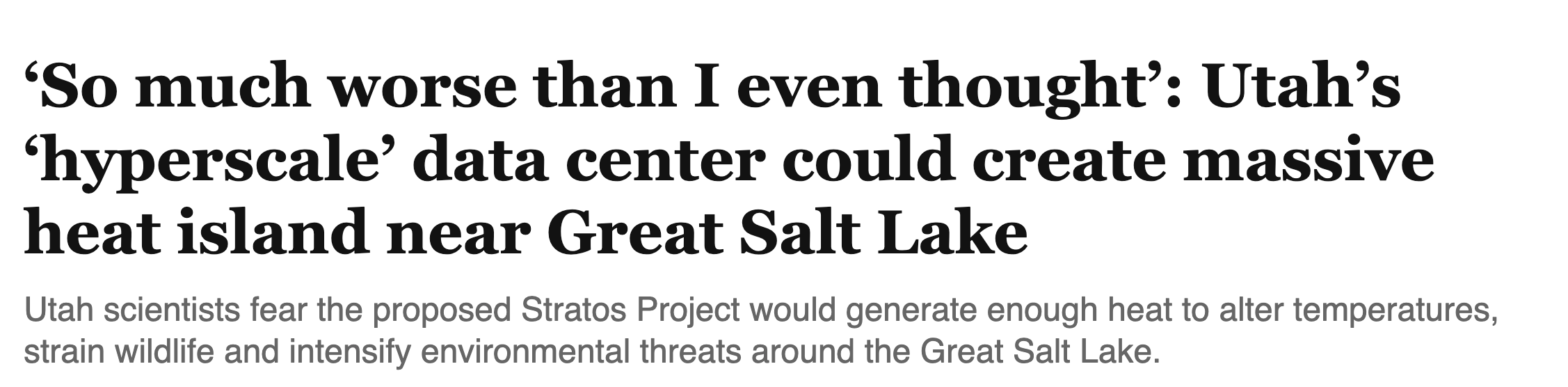
The most obvious concerns are for the hyperscale projects, like the one in Utah that critics are saying will overheat the environment. The Utah project is the brainchild of Kevin O’Leary who is also behind the northern Alberta proposal.
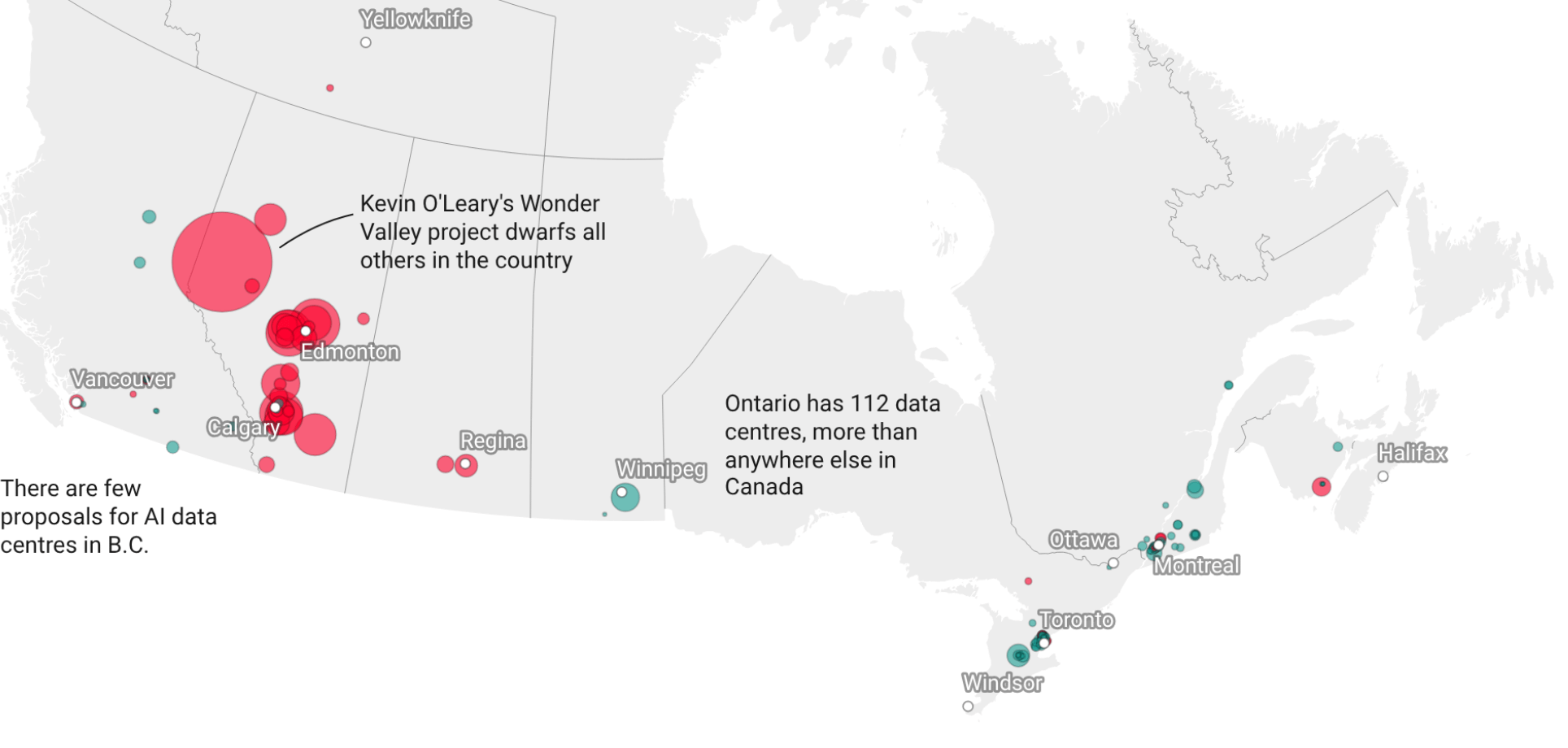
Understand how vast and omnipresent these facilities are. Let me repeat, some of them are six football fields long. They demand high levels of power and fresh water, create light pollution, incessantly hum and are an eyesore that destroy both urban and rural landscapes. Red are the proposed sites.
They aren’t building them next door to the tech titans in Palo Alto who profit from them. There is one there — a discrete, three-story red brick building that could pass for a quaint hotel. The citizens, many of whom work in the industry, know what’s up and they are not including these large scale nightmares in their own communities.
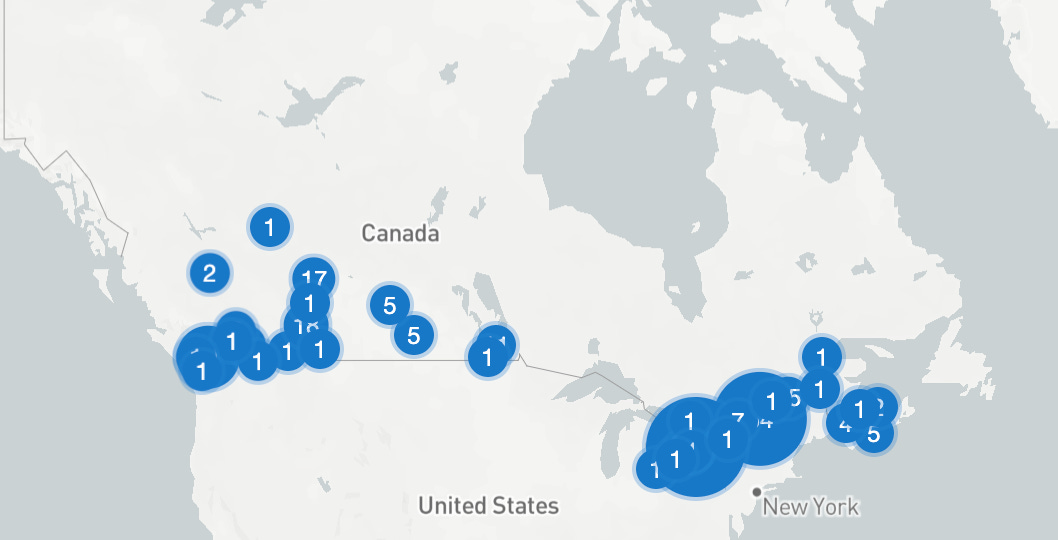
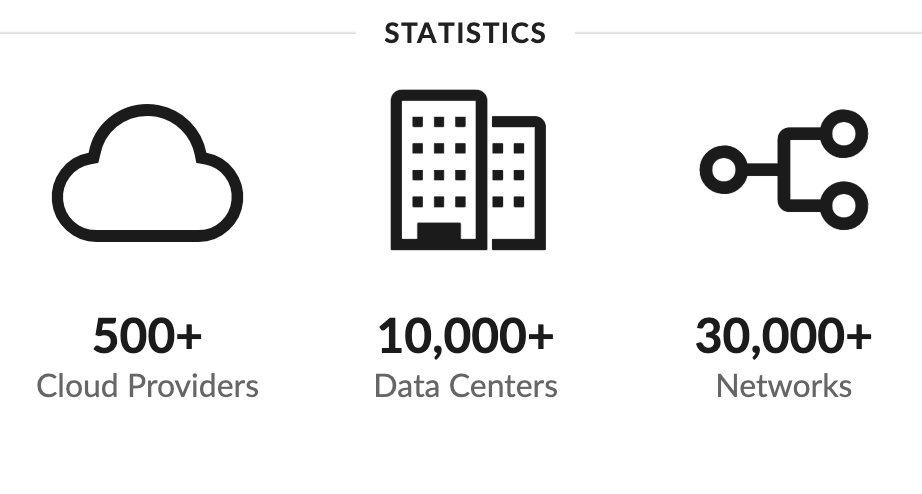
The stats above are worldwide.
In the middle of it, O’Leary, who appeared on Tucker last night. I haven’t watched it yet but it appears Tucker went after him hard for his investments in and pushing of, large scale data centres in northern Alberta and Utah.
The National Observer has been doing granular investigative reporting on this subject and their findings are worth a read. Article here.
Kevin O’Leary’s plan to build the “world’s largest” data centre at a cost of $70 billion in northern Alberta depends on a deal that lets the celebrity investor walk away from the project if the local government can’t secure necessary water licences, documents show.
The plan is outlined in a heavily redacted land sale contract signed on March 25, 2026, between O’Leary’s company and a rural municipality of fewer than 9,000 people north of Edmonton.
Under the agreement, the Municipal District of Greenview will transfer a large part of a planned industrial park developed by the district to O’Leary’s company in three phases as it builds out the 7.5-gigawatt Wonder Valley project. But there’s a catch: before the sale goes through, the municipality must “act as an agent” for O’Leary’s company by securing provincial water licences that give the facility access to up to 24 million cubic metres of water annually.
That’s enough water for about 460,000 people over their lifetimes, drawn from a municipality that last year declared an agricultural emergency because of drought.
O’Leary’s company only needs to go through with the first phase of the sale if the municipality has secured “interim” water rights by an unknown date that is either unspecified in the documents or redacted in the copy obtained by Canada’s National Observer. It can also back out of phases two and three of the deal if the municipality doesn’t secure the final water licences by another unspecified or redacted date.
And like so many other contracts between governments and the one percent, there is an element of corporate welfare. Look who is sharing the risk with O’Leary:
Companies trying to develop major projects like Wonder Valley typically need to do their own water licence applications. The Wonder Valley deal is “distinct,” Bankes said, because the municipality is effectively doing the job of a corporation — not a government.
The agreement also pins most of the risk of the project falling through on the municipal district, if the Alberta government won’t issue the water licences.
“It’s a huge advantage to O’Leary,” said Bankes. “Normally, it would be a project proponent who’d be doing all of this and paying for all of this. And here you’ve got the municipality — a government — doing this. [It’s a] very un-Alberta model.
We are officially now a kleptocracy — being plundered by elites who expropriate family farms for high speed rail we don’t need and can’t afford. And now data centres are emerging, virtually on the down-low in places they are not welcome. They are dropped into communities that seem to have had little warning and no say.
Billionaire tech and finance bros run the show while destroying our communities because we are too exhausted to fight.
Maybe that was the point of COVID all along: to wear us down with irrational demands for compliance that would empty our tanks of resistance and induce a kind of unspoken surrender. A collective torpor after years of abuse by public health and the media. This opens the door for the casual dropping on us of massive projects that empty our coffers and enrich elites like our prime minister, while training us to expect less and less for ourselves and our families. Nowhere is this equation more obvious that in the data centre story only getting attention now.
This horror explains why America’s tech bros, looking smug, stood on stage with Donald Trump after his victory — very much like conquering generals, and in a way that’s what they are. It was, in a sense, a secret victory because the average citizen has no idea what’s in store now that the unregulated power of AI and its needs have been released into our everyday world.
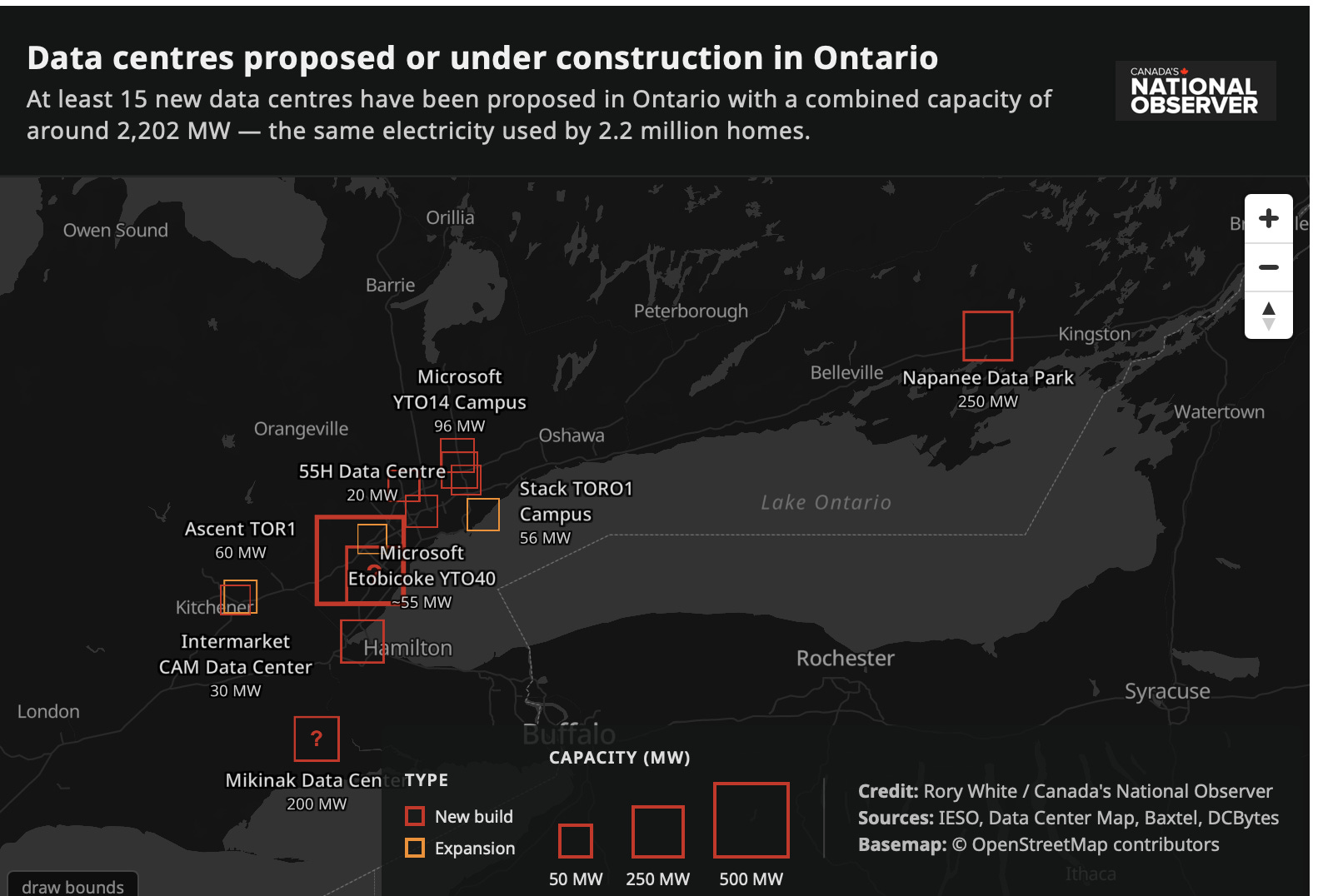
Many of us have embraced it. Little by little. Google has become useless, I suspect on purpose to drive us into the arms of the company’s Gemini AI. Grok on X is handy for quick questions and the other AIs have worked their way into our lives. We have been nudged into demanding insta-knowledge and outsourcing our brain’s own memory to the hard drives in our phones. The centres proposed below will use the same amount of electricity as 2.2 million homes.
What can you do? Get on the phone. Call your area leaders, especially if you are rural. Make it known that the citizens where you live refuse to host data centres and do it now. If not soon, you will be living like the people who acted too late to prevent the “wind farm” boondoggle from desecrating some of the most beautiful landscapes in Canada.
There is a reason they are being sneaky.
Stay critical.
#truthovertribe
Data centers and the escalation of A/i has two purposes: To make the rich richer and to further promote the depopulation scheme. If you cannot connect the dots, you are already lost in the digital sea of death.
Explains why the so called Elites want to push MAID and get rid of us so called useless eaters.